Resilient energy infrastructure for an uncertain future.
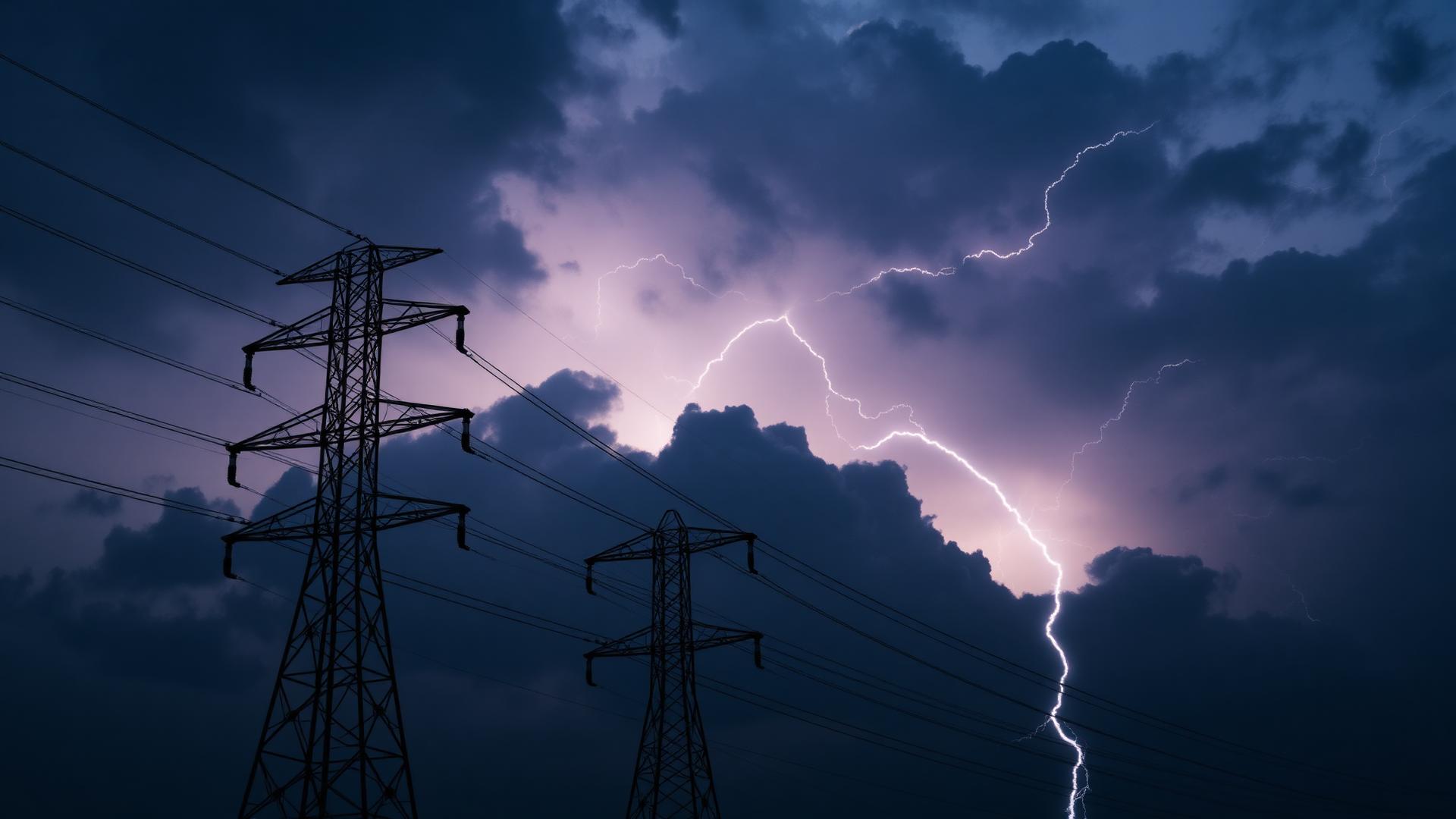
Climate instability, infrastructure aging, cybersecurity risks, extreme weather events, and rapidly growing electricity demand are increasing pressure on traditional centralized grid systems worldwide.
Decentralized strategies for continuity and adaptability.
New Paradigm Energy is focused on decentralized infrastructure strategies designed to improve resilience, operational continuity, localized generation capability, and adaptive infrastructure coordination.
The risks facing modern infrastructure.
Modern infrastructure systems face increasing risks from a broad set of pressures.
- Severe weather events
- Transmission failures
- Grid congestion
- Infrastructure aging
- Cyber threats
- Operational instability
- Centralized infrastructure dependence
Organizations are increasingly reevaluating how energy systems can become more resilient, adaptive, and decentralized.
What localized intelligent infrastructure can support.
Intelligent microgrids and localized infrastructure systems may help support a broader resilience posture.
- Operational continuity
- Localized energy generation
- Backup infrastructure resilience
- Adaptive operational coordination
- Reduced centralized dependency
- Distributed infrastructure visibility
These systems are increasingly being evaluated as part of broader resilience planning strategies.
Integrated systems for long-term continuity.
Intelligent microgrids are capable of integrating multiple coordinated systems.
- Distributed renewable generation
- Storage infrastructure
- Operational analytics
- Intelligent coordination systems
- Resilient backup environments
- Decentralized infrastructure management
By integrating generation, storage, and operational intelligence into localized infrastructure ecosystems, intelligent microgrids may improve adaptability and long-term operational resilience.
Where resilient decentralized systems matter most.
- Municipalities
- Emergency infrastructure
- Transportation systems
- Industrial facilities
- Healthcare infrastructure
- Remote communities
- Campuses
- Data infrastructure environments
As infrastructure risks increase globally, resilient decentralized systems are expected to become increasingly important.
Resilience as an integrated discipline.
Future infrastructure resilience will increasingly require coordination across multiple domains.
- Physical infrastructure systems
- Operational intelligence
- Decentralized generation
- Cybersecurity strategies
- Resilient operational planning
New Paradigm Energy believes resilient infrastructure environments will depend on integrated approaches capable of improving both operational visibility and infrastructure continuity.
Unified infrastructure environments designed for the future.
Our long-term vision is centered around helping support resilient decentralized infrastructure ecosystems capable of integrating generation, storage, operational intelligence, and adaptive coordination into unified infrastructure environments designed for the future.